
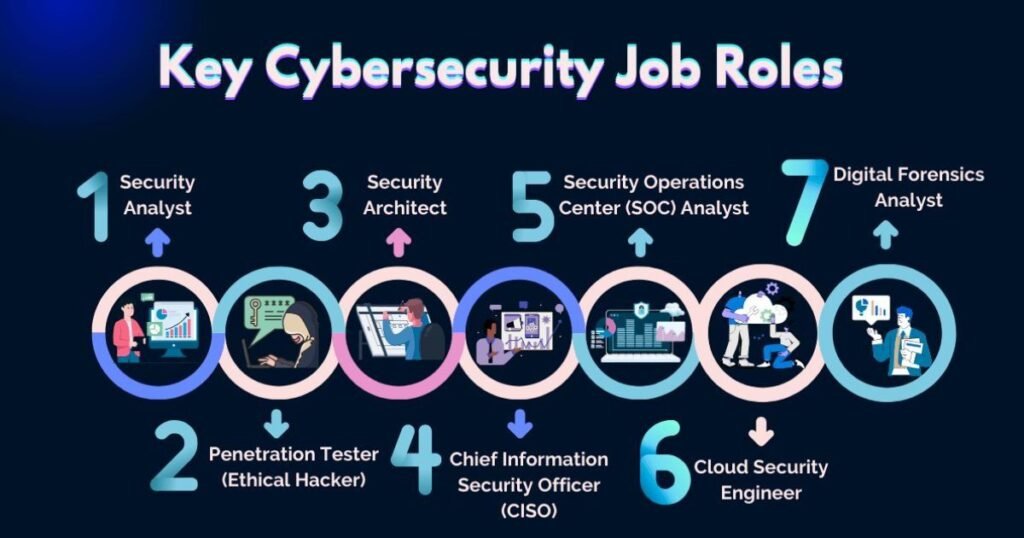
Breaking into the field of cybersecurity is an exciting prospect especially given the growing demand for skilled professionals across the globe. However many beginners wonder whether it’s possible to secure an Entry-Level Cybersecurity Job without formal certifications. While technically achievable the path is often more challenging and competitive compared to candidates who hold recognized credentials.
Why Certifications Matter
Certifications in cybersecurity act as a baseline validation of skills. Employers frequently look for credentials like CompTIA Security Certified Ethical Hacker (CEH) or Cisco CCNA Security when reviewing applications for entry level roles. These certifications demonstrate a foundational understanding of
- Network security fundamentals
- Threat detection and incident response
- Security protocols and controls
- Risk management and compliance
Without certifications your resume may face initial filtering particularly when companies use Applicant Tracking Systems (ATS) to screen candidates. Certification validates your serious commitment and preparedness for the responsibilities of a cybersecurity role.

Gaining Skills Without Certifications
Although certifications provide a clear advantage you can still develop the necessary skills through practical experience:
Hands-on labs and home labs: Experimenting with network setups firewalls and virtual machines can help you develop real-world experience.
CTF competitions and cybersecurity challenges: Capture The Flag (CTF) platforms allow you to solve simulated security problems and demonstrate technical competency.
Open-source contributions and personal projects: Showcasing your work through GitHub or personal portfolios signals initiative and applied knowledge.
– Internships or volunteer work: Practical exposure even in smaller organizations, can build your resume and demonstrate your commitment.

Risks of Skipping Certifications
Opting out of certifications comes with several risks:
Reduced job opportunities: Many employers list certifications as minimum qualifications. Skipping them may limit your options.
Slower career progression: Promotions and advanced roles often require verified credentials.
Lower initial salary and responsibilities: Entry-level positions without certifications may start with lower pay or limited scope.
Technical interview challenges: Certifications often prepare candidates for practical assessments and industry-standard problem-solving. Without them candidates may find hands-on interviews more difficult.

A Step-by-Step Roadmap to Enter Cybersecurity Without Certifications
- Learn the Basics: Start with foundational topics like networking, operating systems, and seurity fundamentals.
- Gain Practical Experience: Set up a home lab participate in CTF challenges and contribute to open-source projects.
- Build a Portfolio: Showcase your projects and skills on platforms like GitHub or personal websites.
- Network and Join Communities: Engage with cybersecurity professionals on LinkedIn Redditand forums.
- Pursue Internships or Volunteer Work: Gain real-world experience and build connections in the industry.
- Prepare for Interviews: Practice common cybersecurity interview questions and scenarios.
How Training Programs Can Help
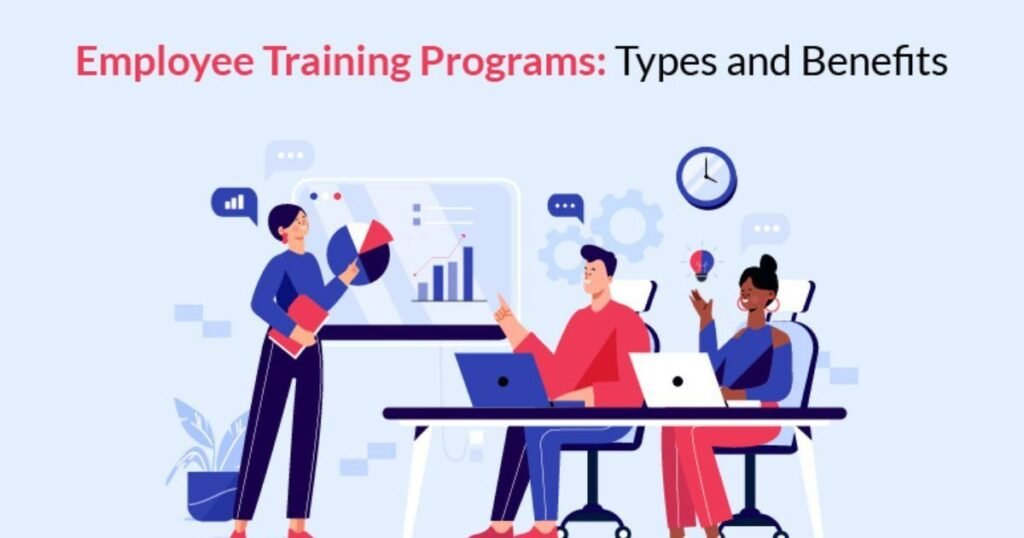
Structured training programs such as bootcamps or professional courses offered by platforms like Checkmate ITTech bridge the gap between beginner knowledge and job-ready skills. These programs often include:
Hands-on labs simulating real-world cybersecurity environments
Preparation for recognized certifications like CompTIA Security+ and CEH
Career support including resume guidance interview coaching and placement assistance
While it is technically possible to land a cybersecurity role without certifications, doing so may prolong the job search and limit opportunities. Certifications and structured training demonstrate both knowledge and dedication increasing your competitiveness. Investing in recognized programs and practical experience is a strategic way to move from beginner to qualified cybersecurity professional efficiently.
FAQs
- Can I get an entry-level cybersecurity job with only self-study experience?
Yes self-study can help but employers often prefer candidates with certifications or hands-on experience to validate skills.
- Which certifications are most valuable for entry-level roles?
Common entry-level certifications include CompTIA Security Cisco CCNA Security and Certified Ethical Hacker (CEH).
- How long does it take to prepare for an entry-level cybersecurity role?
With structured training or bootcamps preparation can take 3–6 months depending on your prior experience and study intensity.
- Are internships helpful if I don’t have certifications?
Absolutely. Internships or volunteer work provide practical experience and can strengthen your resume making up for a lack of certifications.
- Do training programs guarantee a job in cybersecurity?
No program can guarantee employment but platforms like Checkmate ITTech offer career support placement assistance and skill-building that significantly improve your chances.
Conclusion
Breaking into the field of cybersecurity requires dedication hard work and a willingness to learn. While certifications can provide a competitive edge they are not the only way to succeed. By gaining practical experience building a portfolio and networking with professionals you can increase your chances of landing an entry-level cybersecurity job.