
Explain java code is essentially a series of commands, a way to instruct a computer on its tasks. These commands are penned in a language that humans can read, yet it’s also something a computer can interpret. Java code isn’t just a jumble of letters and symbols; it adheres to a specific set of rules and a defined structure. When everything’s in order, the computer processes these commands, one after the other.
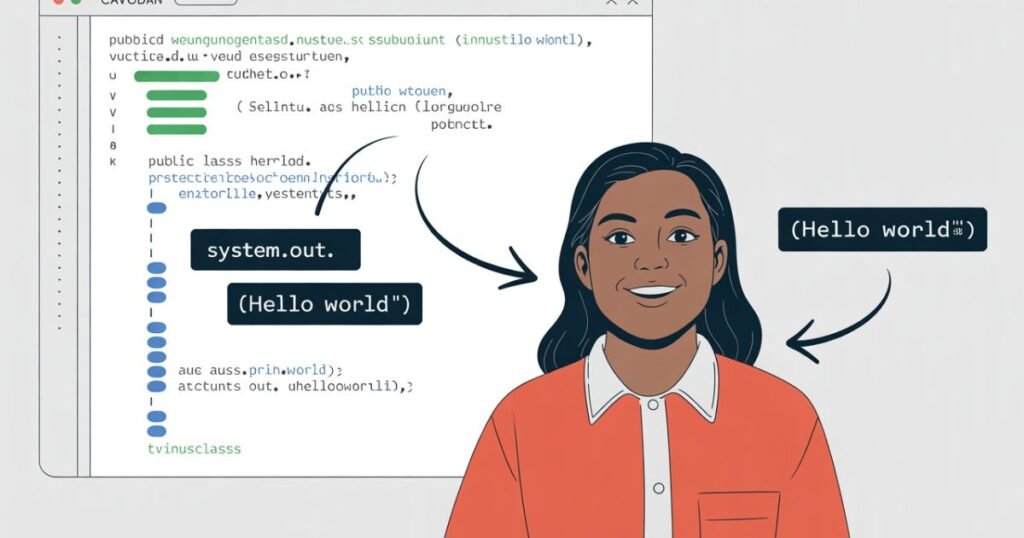
Grasping Java code isn’t about rote memorization of every single line. It’s about understanding the purpose of each command and its impact on the overall program. When someone truly understands the reasoning behind Java code, writing programs becomes a more intuitive and straightforward process.
How Java Code Is Structured
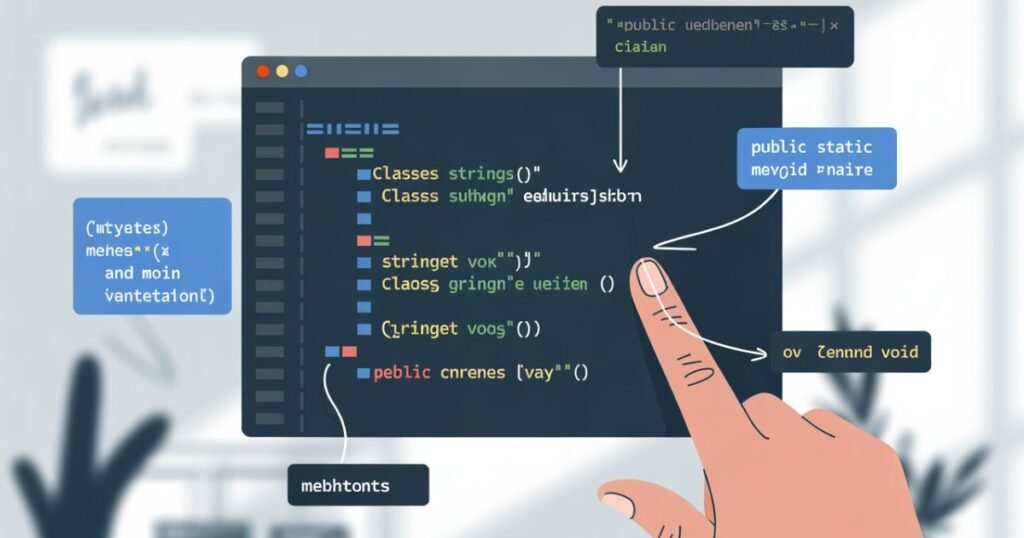
Every Java program has a fundamental structure. It begins with a class, which serves as a container for the instructions. Within the class, methods are defined, outlining the actions the program is capable of performing.
One particular method directs the program’s initial execution point.
This framework keeps Java programs tidy. Well-organized code is simpler to read, troubleshoot, and update. Grasping this structure is the initial move toward crafting polished, professional Java programs.
The Function of Variables in Java Code
Variables in Java code serve to hold information. This information can encompass numbers, text, or various other data types. Variables enable programs to handle dynamic values rather than static data.
By comprehending variables, learners can observe the flow of data within a program. Variables empower Java programs to make choices, execute calculations, and present outcomes. They are fundamental components in any Java application.
How Java Makes Choices
Java code can make decisions based on conditions.
These conditions give a program the ability to take different paths depending on the circumstances. Think of it this way: a program can choose its course of action based on whether something is true or false.
This capacity for making choices is what gives Java programs their smarts. It lets developers dictate how a program behaves, reacting to user input or changes in data. Grasping this concept is key for anyone learning to write programs that make sense.
Repeating Tasks with Java Logic
A lot of what you do in programming involves repetition. Java tackles this with repetition logic. Rather than writing the same command over and over, Java lets you repeat tasks until a certain condition is satisfied.
This approach makes programs more efficient and easier to work with. Understanding how repetition functions helps learners write cleaner code and saves them from unnecessary work.
Methods and Their Role
Methods in Java are essentially blocks of instructions, each designed to carry out a specific task.
Methods eliminate the need to repeat the same code, promoting reuse. Each method serves a specific function, which simplifies program comprehension.
Grasping how methods function aids in code organization. This, in turn, enhances readability and streamlines program testing and maintenance.
Understanding Objects and Classes
Java’s object-oriented nature means it operates with objects and classes. A class serves as a template, and an object is instantiated from that template. Objects embody real-world entities, encompassing both data and behavior.
This approach allows Java code to reflect real-world scenarios. Recognizing objects and classes empowers learners to design programs in a structured and logical manner.
How Java Handles Errors
Errors are an inevitable part of programming, and Java provides mechanisms for managing them.
Java programs can handle errors without crashing, allowing applications to stay functional even when things go wrong unexpectedly.
Learning about error handling is key to writing dependable code. It also equips developers for the realities of real-world projects, where errors are simply part of the landscape.
Handling Multiple Tasks
Java’s ability to manage multiple tasks simultaneously is a significant advantage. This is particularly useful for applications that need to run background processes while still responding to user input.
Grasping how Java handles tasks gives learners insight into the inner workings of complex applications. This understanding is fundamental to modern software development.
Why Java Code Is Easy to Maintain
Java code is built with readability and organization in mind. A clear structure and consistent conventions make it easier to understand, even after extended periods.
That’s why Java is often the go-to choice for companies with projects that need to last.
Learning to write clean Java code is a great way for aspiring developers to build their skills. Clean code is simply easier to work with, whether you’re updating, fixing, or enhancing it.
Java’s Place in the World
Java is the backbone of countless real-world applications, from banking systems to online services and enterprise software. Its reputation for reliability and security makes it a popular choice.
Grasping how Java code functions is essential for anyone looking to work on industry-level projects. It connects the dots between what you learn and how it’s applied in the real world.
The Value of Understanding
Many newcomers make the mistake of trying to memorize Java code, which can quickly become overwhelming. The better strategy is to focus on understanding the logic behind each command. When the logic clicks, writing code becomes a much simpler task.
This method equips learners to tackle new obstacles and find solutions on their own. Logic-driven learning fosters enduring skills.
How Learning Java Code Fuels Career Advancement
Grasping Java code unlocks a wealth of career paths in the United States. Employers seek developers capable of reading, comprehending, and refining existing code.
A solid grasp of Java code proves invaluable in technical interviews and day-to-day work. It cultivates both confidence and professional respect.
Final Thoughts on Grasping Java Code
Understanding Java code means grasping by checkmate ittech how and why instructions function in concert. It’s not about rote memorization of syntax; it’s about mastering logic, structure, and problem-solving techniques.
With the right instruction, consistent practice, and clear explanations, anyone can learn to understand Java code. This understanding serves as the bedrock for a thriving career in software development and technology.