If you have ever typed "software testing certification for USA jobs" into Google at 1 a.m. wondering whether a piece of paper can actually change your career, you are not alone. Thousands of people ask that same question every month. Career switchers stuck in unrelated fields. Fresh graduates who studied computer science but never touched real testing tools. IT professionals from other countries trying to break into the American job market. All of them land on the same question: does certification actually matter, or is it just a marketing gimmick?
The honest answer is that it matters more than most people expect, but only when you pick the right certification and pair it with real hands on skills. This guide walks you through everything: what certifications exist, what they cost, which ones are free, which ones employers actually respect, and how a structured training program like the one offered at Checkmate IT Tech can shortcut the entire process for you.
Why Software Testing Is Still One of the Smartest Career Moves in the USA
Every app, every banking portal, every healthcare system, every online store depends on someone making sure it works before it reaches the public. That someone is a software tester. Companies cannot ship broken products anymore. One bad release can cost millions and destroy customer trust overnight.
This is exactly why software testing certifications in demand keep climbing year after year. Recruiters searching LinkedIn and Indeed are not just looking for someone who says "I can test software." They want proof. A certificate next to your name signals that you understand test case design, defect lifecycle management, automation basics, and quality standards that meet real industry expectations.
For someone starting fresh in the USA job market, certification also solves a very practical problem. Hiring managers get flooded with resumes. A recognized credential is often the filter that decides whether your resume gets a second look or gets buried under three hundred others.
Understanding the ISTQB Certification
Ask any experienced QA professional which credential opened doors for them and the ISTQB certification usually comes up first. ISTQB stands for International Software Testing Qualifications Board and it is widely treated as the global gold standard for testing knowledge.
The Foundation Level is where almost everyone starts. It covers testing principles, test design techniques, the software development lifecycle, defect management, and testing tools at a conceptual level. It is vendor neutral, meaning it is not tied to one specific tool or company, which is exactly why employers across banking, healthcare, retail, and tech trust it.
What makes ISTQB certification training valuable is not just the exam itself but the structured way it forces you to think about testing as a discipline rather than a random set of clicks. Once you understand boundary value analysis, equivalence partitioning, and risk based testing at a conceptual level, applying them practically in tools like Selenium or JIRA becomes much easier.
Many people ask whether ISTQB alone guarantees a job. It does not. But it dramatically increases your chances when paired with hands on practice, mock interviews, and real project exposure, which is exactly the kind of support offered inside a full training program rather than a self study course alone.
Software Testing Certification for USA Jobs Free Options
Not everyone can spend hundreds of dollars right away, and that is completely fair. If you are exploring software testing certification for usa jobs free options before committing financially, there are a few paths worth knowing about.

Some training providers offer free introductory sessions or trial classes so you can experience the teaching style before enrolling in a paid certification track. This lets you test the waters, understand the curriculum depth, and see whether the instructor's teaching style actually works for you. Checkmate IT Tech offers exactly this kind of flexible entry point, where beginners can sit through initial sessions before committing to the full manual or automation testing program.
There are also free introductory materials available online covering basic QA concepts, test case writing, and defect tracking fundamentals. These are useful for building vocabulary and foundational understanding, but they rarely carry the recognition weight of a formal certificate. Think of free resources as your warm up lap, not your finish line. Employers in the USA still want to see a certification body or training institute backing your skills when it comes to actual hiring decisions.
Software Testing Certification for USA Jobs Cost: What You Should Actually Expect
Cost is usually the second biggest question after "will this get me a job." The truth is that software testing certification for usa jobs cost varies a lot depending on which path you choose.
Independent exam fees for globally recognized certifications like ISTQB typically range from a couple hundred dollars up to around four hundred dollars depending on the level and testing center. Advanced level certifications cost more than foundation level ones.
Full training bootcamps that combine coursework, live instructor sessions, hands on labs, mock interviews, and placement assistance tend to cost more upfront but deliver far more value per dollar. Instead of just handing you an exam voucher, a proper training institute walks you through real test scenarios, automation scripting, and interview simulations so you walk into your first QA interview already feeling like you have done the job before.
When comparing costs, always ask what is actually included. A cheap certification with no practical training might save you money today but cost you months of frustrating job searching later. A slightly higher investment that includes placement support, resume building, and interview preparation, like what Checkmate IT Tech provides, often pays for itself with your very first paycheck.
ISTQB Certification Training and What It Actually Covers
Good ISTQB certification training does not just prepare you to pass a multiple choice exam. It builds the mental framework testers use every single day on the job. A well structured program covers:
Test planning and estimation, so you understand how testing fits into a project timeline. Test design techniques including black box and white box methods. Defect lifecycle management, from logging a bug to verifying its fix. Test management tools like JIRA and TestRail. Basic automation concepts that prepare you for tools like Selenium later in your career.
The best training programs simulate real project environments. Instead of memorizing definitions, you actually write test cases for sample applications, log defects the way you would on a real job, and present your findings the way a QA analyst would in a team standup. This kind of practical exposure is what separates candidates who pass an exam from candidates who actually get hired.
QA Tester Certification: Manual Testing Still Matters
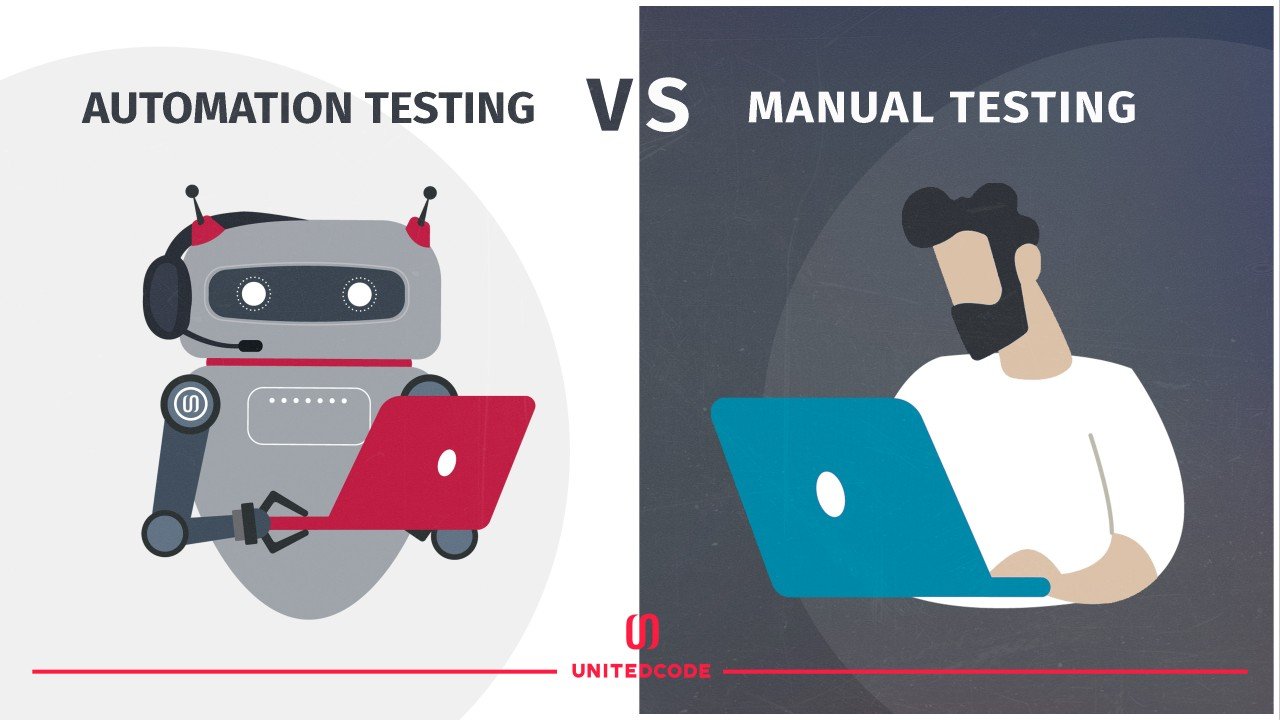
There is a common myth that manual testing is dying because of automation. In reality, manual testing remains the backbone of quality assurance, especially for exploratory testing, usability checks, and scenarios where human judgment catches bugs that scripts simply cannot.
A solid qa tester certification program teaches you how to write clear and complete test cases, execute them methodically, document defects with enough detail that developers can reproduce and fix them quickly, and communicate quality risks to project stakeholders in plain language.
Manual testing certification is also often the easiest entry point for career changers. You do not need a programming background to start. What you need is attention to detail, curiosity about how things break, and structured training that teaches you the professional vocabulary and workflow that real QA teams use. Programs like the Quality Analyst manual testing course at Checkmate IT Tech are built specifically around this beginner friendly path, moving learners from zero testing experience into job ready candidates through hands on practice and mock interview coaching.

Software Testing Course Certification: Choosing Between Manual and Automation
Once you decide to pursue a software testing course certification, the next big decision is manual versus automation, or realistically, both.
Manual testing course certification builds your foundation. You learn the why behind testing decisions, not just the how. This foundation makes you a stronger automation tester later because you actually understand what you are automating and why it matters.
Automation testing certification, often centered around tools like Selenium, JMeter, and Postman, teaches you to write scripts that test applications faster and more consistently than manual clicking ever could. Automation skills are increasingly requested in USA job postings because companies want testers who can integrate quality checks directly into fast moving development pipelines.
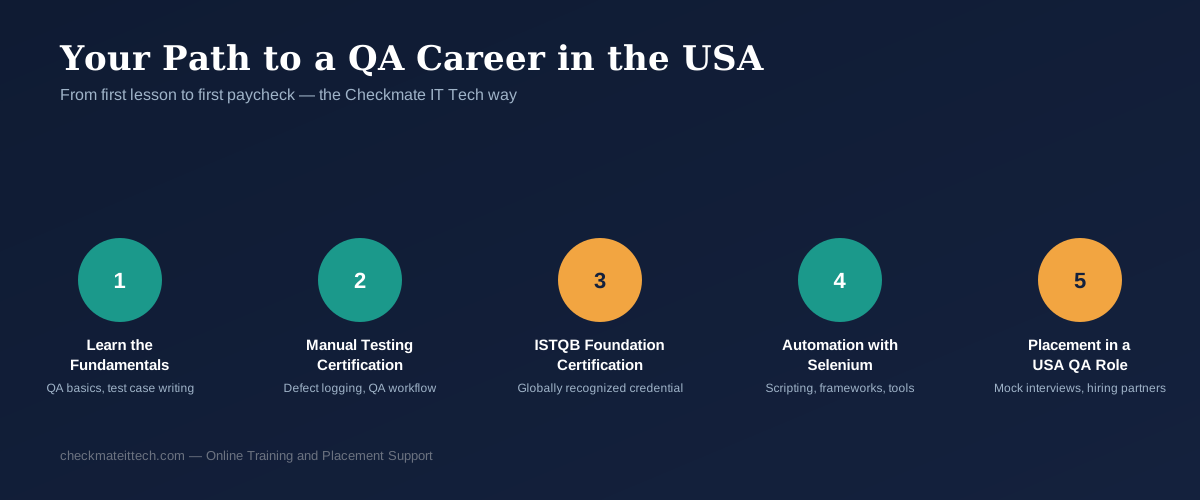
The smartest career path usually combines both. Start with manual fundamentals, then layer in automation skills once you are comfortable with core testing concepts. This is exactly the sequence used in comprehensive programs like the Selenium training track at Checkmate IT Tech, where learners move from foundational QA concepts into scripting real automated test suites using Python or Java.
Testing Certification List: Beyond ISTQB
While ISTQB dominates the conversation, there is a broader testing certification list worth exploring depending on your career goals.
Certified Software Tester, often abbreviated CSTE, focuses on practical testing methodology and is respected by many US employers, particularly in enterprise environments. Certified Associate in Software Quality, known as CASQ, and Certified Software Quality Analyst, known as CSQA, both emphasize quality assurance processes at an organizational level rather than just individual test execution. Certified Manager of Software Testing, CMST, is aimed at professionals moving into leadership roles within QA teams. Security testing certifications are gaining serious traction too, since applications now need protection against breaches just as much as they need functional accuracy.
Tool specific credentials also matter depending on your target industry. Training in tools like HP ALM, Tosca, LoadRunner, JMeter, and Rational Functional Tester can make your resume stand out for specialized roles in performance testing, enterprise software testing, or regulated industries like healthcare and finance. Checkmate IT Tech covers an extensive range of these specialized courses, meaning you are not limited to just one certification path but can build a layered skill set that matches exactly where you want your QA career to go.
How Checkmate IT Tech Turns Certification Into an Actual Job
Certification alone is a piece of paper. What actually gets you hired is the combination of certification, hands on project experience, a polished resume, and confidence walking into interviews. This is where Checkmate IT Tech separates itself from a typical online course.
Training programs are built around real world scenarios rather than theoretical slides alone. Learners get access to experienced trainers who have spent years working as QA professionals inside real companies. Once training wraps up, learners move into a placement pool with access to hundreds of hiring partners actively looking for QA talent. Mock interviews conducted by technical experts help polish your communication and technical answers before you ever face a real hiring manager. Resume building and career counseling round out the process so your application actually reflects the skills you just built.
Multiple learners who went through this exact pathway have gone on to land Quality Analyst roles right here in the United States, proof that structured training paired with placement support genuinely works when the program is built with the job market in mind rather than just exam prep.
Frequently Asked Questions
Is there a software testing certification for USA jobs free of cost?
Yes, several training providers including Checkmate IT Tech offer free introductory sessions or trial classes so you can experience manual or automation testing training before enrolling in a paid program. Free resources are great for building basic vocabulary, but a recognized certification still carries more weight with USA employers.
What is the software testing certification for USA jobs cost on average?
Independent exam fees for globally recognized credentials like ISTQB usually fall between a couple hundred dollars and around four hundred dollars depending on the level. Full training bootcamps that include live classes, hands on labs, mock interviews, and placement assistance cost more upfront but generally deliver much stronger job outcomes.
Is ISTQB certification worth it for someone new to QA?
Yes. ISTQB certification is vendor neutral and globally recognized, which makes it one of the safest starting points for anyone new to quality assurance. It teaches core testing principles that apply across every tool and industry you might work in later.
Do I need to know programming to get a QA tester certification?
No. Manual testing certification does not require a programming background. What matters most is attention to detail, clear documentation skills, and structured training. Programming becomes useful later if you move into automation testing.
Which software testing course certification should a beginner choose first?
Most career advisors recommend starting with manual testing fundamentals before moving into automation. This builds a strong conceptual foundation that makes learning tools like Selenium much easier down the line.
What certifications appear most often on a testing certification list for USA employers? ISTQB Foundation Level, Certified Software Tester (CSTE), Certified Associate in Software Quality (CASQ), Certified Software Quality Analyst (CSQA), and Certified Manager of Software Testing (CMST) are among the most commonly recognized. Tool specific credentials in Selenium, Tosca, and LoadRunner also add strong value.
Are software testing certifications in demand right now in the USA job market?
Yes. As companies continue to release software faster, the need for certified testers who can catch defects early keeps growing across banking, healthcare, retail, and technology sectors alike.
Does ISTQB certification training guarantee a job?
No certification guarantees a job on its own. ISTQB certification training combined with hands on project practice, resume support, and interview preparation, like the structure offered through Checkmate IT Tech, significantly increases your chances of landing a QA role.
Final Thoughts: Your Next Step Toward a QA Career in the USA
Software testing remains one of the most accessible and stable entry points into the American tech industry. Whether you are exploring free introductory options, comparing ISTQB certification training against other paths, deciding between manual and automation testing certification, or trying to understand realistic costs before committing your time and money, the path forward is clearer than it seems.
The fastest way to move from curiosity to career is structured guidance from people who have already walked this path and placed candidates successfully into real QA roles across the USA. Explore the training programs at Checkmate IT Tech, talk to an advisor about which certification path fits your background, and take the first real step toward becoming a certified, job ready software testing professional.