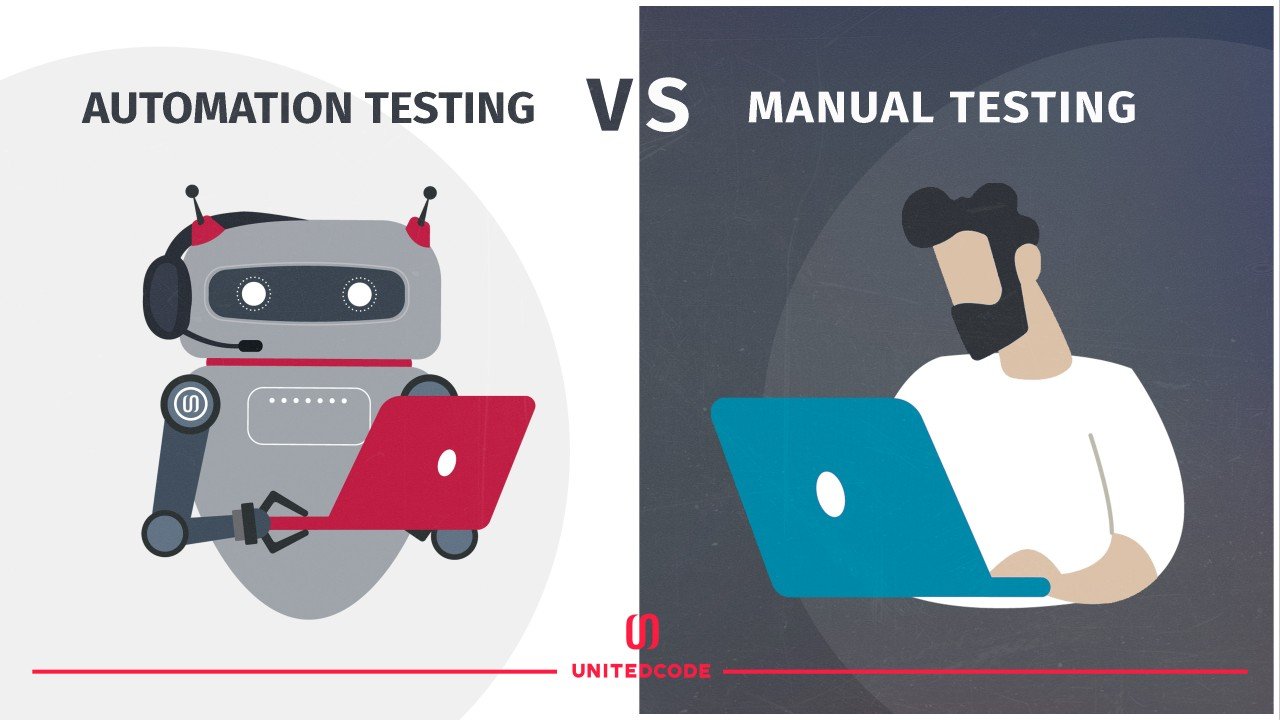

If you're exploring a career in tech and keep seeing both "Quality Analyst" and "Business Analyst" pop up in job listings, you're not alone in wondering what actually separates the two. On paper, they sound similar both work closely with software teams, both write detailed documentation, and both are considered "analyst" roles rather than pure coding jobs. In practice, though, they sit on very different sides of a software project, and picking the wrong one to train for can cost you months of misdirected effort.

This article breaks down exactly what each role does, what skills each one demands, what you can expect to earn, and just as importantly how to figure out which path actually fits you. We'll also be upfront about something most generic career blogs won't tell you: trying to self-teach either of these roles from scattered videos and blog posts is a slow, unreliable way to get job-ready, and it shows in interviews. That's exactly the gap structured training from an institute like Checkmate IT Tech (checkmateittech.com) is built to close.
The Core Difference, in One Sentence
A Quality Analyst (QA) makes sure the software actually works the way it's supposed to. A Business Analyst (BA) makes sure the software is being built to solve the right problem in the first place.
Put differently: the BA defines what should be built, and the QA verifies whether it was built correctly. They sit at opposite ends of the same project, and on healthy teams, they talk to each other constantly.
What a Quality Analyst Actually Does
A QA's day-to-day work revolves around testing but "testing" covers a lot more ground than people assume before they get into the field. A typical QA role involves:
- Writing and executing test cases based on requirements
- Logging bugs clearly in a tracking tool like Jira, with exact steps to reproduce them
- Running regression tests after new code is pushed, to make sure old features still work
- Testing across different browsers, devices, and operating systems
- Increasingly, writing automated test scripts using tools like Selenium, instead of testing everything manually
QA work rewards people who are naturally detail-oriented, a little suspicious by nature (in a good way "what happens if I click this twice?"), and comfortable with repetitive, methodical work that pays off in caught bugs and stable releases.
What a Business Analyst Actually Does
A BA's work happens earlier in the project lifecycle, closer to the business side. A typical day involves:
- Interviewing stakeholders to understand what a business problem or process gap actually is
- Writing Business Requirements Documents (BRDs) and Functional Requirements Documents (FRDs)
- Mapping workflows using tools like Visio, often in UML or BPMN notation
- Translating vague business needs ("customers are complaining about slow loan approvals") into concrete requirements a development team can build against
- Sitting in on Agile ceremonies and helping prioritize the product backlog
BA work rewards people who are strong communicators, comfortable asking clarifying questions in a room full of stakeholders, and skilled at turning ambiguity into structure.
Quality Analyst vs. Business Analyst: Side-by-Side
| Quality Analyst (QA) | Business Analyst (BA) | |
| Primary focus | Verifying the software works correctly | Defining what the software should do |
| Where they sit in the project | Later stage testing what's been built | Earlier stage gathering and defining requirements |
| Core skill | Attention to detail, methodical testing | Communication, stakeholder management |
| Common tools | Jira, TestRail, Selenium (for automation) | Visio, Jira, BABOK-based documentation |
| Typical entry point | Manual testing fundamentals | Requirements-writing and process modeling basics |
| Career growth path | Automation engineer, QA lead, SDET | Senior BA, product owner, project manager |
| Coding required? | Not for manual roles; automation adds scripting | Generally not required |
How Much Do These Roles Pay?
Salary data varies by source, industry, and location, but the overall pattern is consistent: both roles offer solid, stable pay, with BA compensation generally sitting a bit higher once you factor in mid-career growth.

- Entry-level Business Analyst base pay in 2026 commonly falls between roughly $65,000 and $82,000 in the US, climbing to $85,000–$110,000 at mid-level and well past $140,000 at senior and lead levels.
- Entry-level Quality Analyst / QA tester pay tends to start somewhat lower, often in the $50,000–$68,000 range, but climbs meaningfully once automation skills like Selenium are added to the resume.
- Both roles see a real jump in pay once specialization kicks in automation and security testing for QAs; risk, compliance, or product-focused work for BAs.
The takeaway: neither role is the "lesser" option financially. Business analysis often has a slightly higher ceiling, but QA especially automation-focused QA closes that gap quickly with the right skill set.
Can a QA Become a BA (or Vice Versa)?
Yes, and it happens often QA-to-BA is actually one of the more common and successful career pivots in tech. Here's why it works so well: QA professionals already spend their days reading and analyzing requirement documents to figure out how to test them properly. That process naturally builds strong requirements literacy and documentation habits two of the most important BA skills. Add strong communication skills and comfort with stakeholder conversations, and a QA professional is often only a structured training program away from making the jump into business analysis, typically with a meaningful pay increase attached.
The reverse move BA to QA is less common but not unheard of, usually among BAs who discover they enjoy the technical, detail-driven side of software delivery more than the stakeholder-management side.
Which Role Is Actually Right for You?
Ask yourself these questions honestly:
- Do you enjoy breaking things on purpose to see what fails, or do you enjoy talking to people to understand what they actually need? QA leans toward the first; BA leans toward the second.
- Do you prefer working with clear right-or-wrong outcomes (a test either passes or fails), or do you prefer navigating ambiguity (a stakeholder who isn't sure what they want yet)? QA suits the former; BA suits the latter.
- Are you comfortable eventually picking up light scripting for automation, or do you strongly prefer to stay non-technical? Either path works, but automation skills matter more in QA than in most BA roles.
There's no wrong answer here both paths are in strong demand, and both offer real career growth. What matters far more than which one you pick is how well you prepare for it.
Why Self-Teaching Either Role Rarely Gets You Hired
Here's the part most articles gloss over. It's genuinely possible to read a few blog posts, watch some free tutorials, and learn some of the vocabulary for QA or BA work. What that approach almost never delivers is the thing employers actually screen for: a candidate who can hold a real conversation about test case design, requirements traceability, or stakeholder conflict resolution, backed by actual hands-on practice.
Self-taught candidates without structured guidance tend to run into the same problems repeatedly:
- Gaps in fundamentals that only show up mid-interview, when it's too late to fix them
- No mock projects or portfolio pieces to show a hiring manager
- Missing exposure to the exact tools (Jira, Visio, Selenium, TestRail) that job postings list as requirements
- No structured feedback on their resume, mock interviews, or weak spots
None of that is a knock on self-motivated learners it's simply what happens when you try to build an entire professional skill set alone, without a curriculum, mentorship, or accountability. This is exactly why a proper training and placement program matters so much more in fields like QA and BA than people expect going in.
Why Training With Checkmate IT Tech Is the Smarter Path
This is where Checkmate IT Tech (checkmateittech.com) fits in and it's worth being direct about why. We're not just another library of pre-recorded videos you watch alone and hope for the best. We build our programs specifically around what hiring managers are actually asking for in interviews right now, and we pair that training with real placement support, not just a certificate at the end.
If you're leaning toward the QA path, our Quality Analyst Manual Testing course walks you through test case design, defect life cycles, and the exact documentation habits recruiters screen for and if you want to future-proof your QA career with automation skills, our Selenium training program builds directly on that foundation.
If the BA path sounds closer to your strengths, our Business Analyst course covers BABOK fundamentals, requirements documentation, and Visio-based process modeling across IT, finance, and banking specializations, while our Business Systems Analyst training goes deeper into UML, use cases, and the more technical side of the BA role for anyone who wants to bridge toward IT.
Still deciding between the two, or not sure which fits your background better? That's a completely normal place to be, and it's exactly the kind of decision our team helps students work through directly take a look at our full course catalog to compare paths side by side, and get in touch through our About Us page to talk through which direction actually makes sense for you before you commit to either one.
The honest reality is this: a self-taught candidate and a Checkmate-trained candidate can apply for the exact same job posting, and the difference shows up immediately in the interview in the depth of the answers, the confidence in the tools, and the portfolio work behind them. That gap is exactly what structured training exists to close, and it's why so many of our students land roles faster than they expected going in.
Final Thoughts
Quality Analyst and Business Analyst roles both offer real, stable, well-paying careers in tech the right choice between them comes down to your natural strengths, not which one is "better." QA suits people who like methodical, detail-driven problem-solving; BA suits people who thrive on communication and translating ambiguity into clear structure. What matters most, regardless of which path you choose, is preparing for it properly. Piecing together a career from scattered free resources leaves gaps that show up exactly when it matters most in the interview. Structured, guided training closes that gap, gives you real projects to show for your effort, and gets you in front of employers with genuine confidence instead of guesswork. If you're ready to stop guessing and start building a real plan, Checkmate IT Tech (checkmateittech.com) is built to walk you through it from your first lesson to your first job offer.
Frequently Asked Questions
1. What is the main difference between a Quality Analyst and a Business Analyst?
A Quality Analyst tests software to make sure it works correctly, while a Business Analyst defines what the software should do in the first place by gathering and documenting business requirements.
2. Which role pays more, QA or BA?
Business Analyst roles generally have a slightly higher pay ceiling, especially at mid and senior levels, but Quality Analysts with automation skills like Selenium can close that gap quickly.
3. Do I need to know how to code to become a Quality Analyst?
Not for manual testing roles. However, learning automation tools like Selenium significantly increases your job options and pay over time.
4. Do I need to know how to code to become a Business Analyst?
No, coding isn't a core requirement for most BA roles, though basic SQL and data literacy are increasingly helpful.
5. Can a Quality Analyst become a Business Analyst later in their career?
Yes, and it's a common and successful transition. QA professionals already build strong requirements-analysis and documentation habits that transfer directly to BA work.
6. Which career is easier to break into with no experience: QA or BA?
Both are accessible to career changers, but QA is often considered slightly easier to break into first, since manual testing fundamentals are quicker to learn than full BA requirements documentation.
7. What certifications matter for these roles?
For QA, certifications in manual testing and tools like Selenium help. For BA, IIBA's ECBA, CCBA, and CBAP certifications are widely recognized starting points.
8. Is self-study enough to get hired as a QA or BA?
It's possible but difficult. Most self-taught candidates lack structured project experience, tool familiarity, and interview preparation gaps that structured training and placement programs are specifically designed to close.
9. What industries hire the most QA and BA professionals?
Software companies, banking and financial services, healthcare technology, e-commerce, and IT consulting firms are consistently among the top hirers for both roles.
10. How do I decide between training for QA or BA?
Consider your natural strengths: if you enjoy detail-driven, methodical problem-solving, QA may fit better. If you enjoy stakeholder communication and structuring ambiguity, BA may be the stronger fit. Speaking directly with a training advisor, such as through Checkmate IT Tech, can help you decide based on your background and goals.